Best gardeners for terraced homes near Loughborough Junction SE5
If you live in a terraced house near Loughborough Junction SE5, you already know the garden can feel like a small miracle and a small headache at the same time. Narrow plots, shared boundaries, shaded corners, awkward access, and very little storage space can make even simple upkeep a bit fiddly. That is exactly why choosing the Best gardeners for terraced homes near Loughborough Junction SE5 matters: the right team understands compact London gardens, works neatly, and knows how to make limited space feel calmer, brighter, and easier to manage.
This guide walks you through what good terraced-home gardening service looks like, how to judge the right fit, what to expect, and where people often go wrong. If you are comparing options, trying to avoid a messy job, or just want a garden that does not keep asking for weekend sacrifice, you are in the right place.
Table of Contents
- Why Best gardeners for terraced homes near Loughborough Junction SE5 Matters
- How Best gardeners for terraced homes near Loughborough Junction SE5 Works
- Key Benefits and Practical Advantages
- Who This Is For and When It Makes Sense
- Step-by-Step Guidance
- Expert Tips for Better Results
- Common Mistakes to Avoid
- Tools, Resources and Recommendations
- Law, Compliance, Standards, or Best Practice
- Options, Methods, or Comparison Table
- Case Study or Real-World Example
- Practical Checklist
- Conclusion
- Frequently Asked Questions
Why Best gardeners for terraced homes near Loughborough Junction SE5 Matters
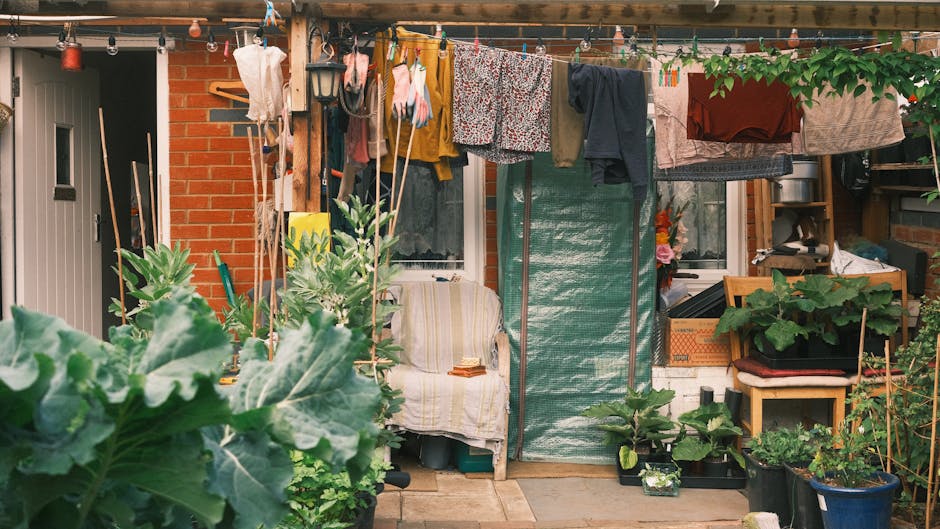
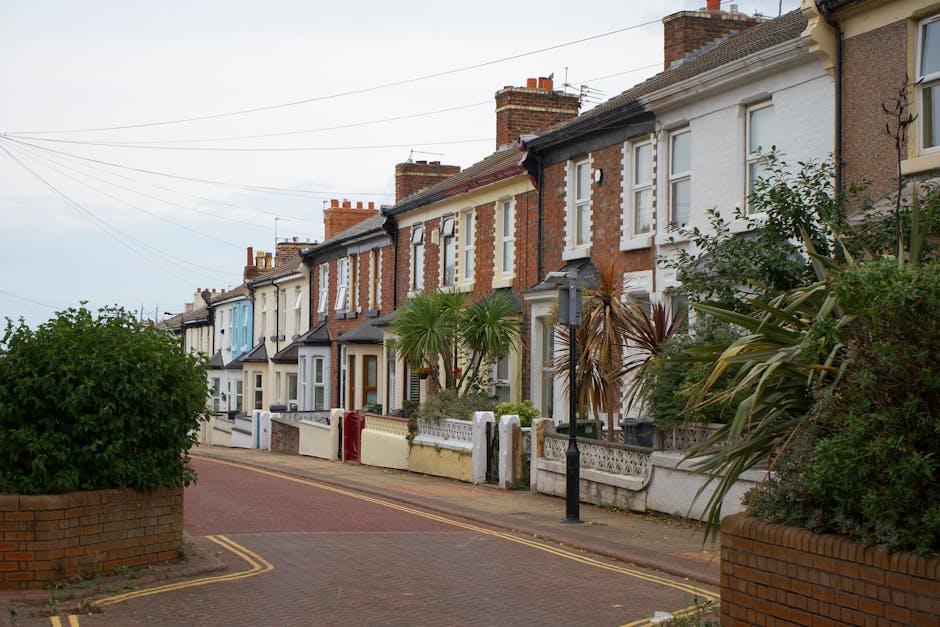
Terraced homes have their own rhythm. One garden may be a long, thin strip with little sun until late afternoon; another may have a basement-level patio, a split-level layout, or a back garden that feels tucked away behind brick walls. In a place like Loughborough Junction, where homes are often close together and outside space can be precious, the right gardener is not just trimming plants. They are solving access problems, working around neighbours, and making sure every square metre earns its keep.
That is the real point. A good gardener for a terraced home is part horticulturalist, part practical organiser, part tidy-handed problem solver. They should understand how to keep a garden looking good without turning it into a high-maintenance project you dread every two weeks. To be fair, that balance is what most people are really paying for.
And yes, the local context matters. In tightly packed streets, overgrown hedges, poor drainage, and neglected rear access can make a small garden feel much bigger than it is. One loose branch, one untamed climber, and suddenly you are dealing with blocked light, damp corners, or a fence that looks like it has had a rough winter. The best gardeners spot those issues early and deal with them calmly.
Key takeaway: for terraced homes, the best gardener is rarely the flashiest one. It is the one who understands compact layouts, keeps disruption low, and improves the space in a way that fits your actual life.
How Best gardeners for terraced homes near Loughborough Junction SE5 Works
In practice, finding the right gardener usually starts with a walk-through. A decent gardener will want to see the layout, note the access, assess the soil, check plant health, and understand what you want the space to do. Do you need a low-maintenance family garden? A calm seating area? Better privacy? Less leaf fall? More light? It all changes the plan.
For terraced homes, the job often blends a few services rather than just one. A maintenance visit might include mowing, edging, pruning, weeding, hedge trimming, clearing up, and a quick check for drainage or overcrowding. If the garden needs more than maintenance, the gardener may suggest landscaping, replanting, or small structural changes that make the space easier to live with. That could mean better borders, smarter paving, or a seating area that actually fits the width of the garden, not just the imagination.
You will also notice that good gardeners ask different questions from average ones. They tend to ask how much time you want to spend outside, whether you prefer tidy and formal or relaxed and natural, and whether pets or children use the space. That sounds obvious, but it is often where the difference between "fine" and "really good" shows up.
If you are looking for broader support beyond routine upkeep, it can help to review a provider's full services overview so you know whether they cover maintenance, clearance, trimming, or more involved landscape work. And if your garden has turned into a bit of a jungle after a busy few months, a one-off garden clearance can be the reset button before regular care begins.
Key Benefits and Practical Advantages
The best terraced-home gardeners do more than make things tidy. They make the garden easier to use, easier to care for, and less likely to fall into that familiar cycle of overgrowth, guilt, and a frantic Saturday clean-up. Happens to the best of us.
1. Better use of small or awkward space
Terraced gardens often need smarter layout choices. The right gardener can help create clear zones for seating, planting, storage, and movement. Even a tiny garden can feel less cramped when the edges are managed properly and the main path is kept open.
2. More light, less clutter
Overgrown shrubs, untamed climbers, and high hedges can steal light from already narrow gardens. Good pruning and thoughtful plant selection can make a real difference. You will notice it most in the morning or late afternoon, when light is at a premium.
3. Lower ongoing maintenance
A well-planned garden should not need heroic effort every week. The best gardeners choose plants and materials that suit the space and your schedule. That means fewer problem areas, less weeding, and less time spent fighting nature with a trowel and a sigh.
4. Improved neighbour relations
Terraced living means neighbours are close by. A tidy boundary, controlled hedge growth, and careful waste handling all help. Small things, but they matter. Nobody likes a branch hanging over the fence at odd angles for six months.
5. Better long-term value
A neat, usable garden can make a home feel more complete. It is not just about looks. A usable outdoor space adds comfort, and in London that can be a genuine quality-of-life improvement. There is something quietly satisfying about opening the back door and not feeling instantly stressed.
Who This Is For and When It Makes Sense
This kind of service is ideal if your garden is small, narrow, split-level, shaded, or simply difficult to keep on top of. It also makes sense if you are renting out a terraced property and want the outside space maintained properly without constant oversight. Landlords, homeowners, and even busy flat owners with a shared rear garden can all benefit.
It is especially useful if any of these sound familiar:
- You have a terraced garden that gets overgrown quickly.
- You want a garden that looks neat without demanding every weekend.
- You need help with access, waste removal, or heavy cutting back.
- You want privacy but do not want the garden to feel boxed in.
- You are preparing a property for sale, rent, or a family event.
- You have inherited a garden that needs a proper reset.
Sometimes people wait until the space is visibly out of control. Fair enough, life gets busy. But honestly, gardeners can do far more for a garden when problems are caught early. A slightly leggy hedge is easier to shape than a fence-height thicket. A patchy lawn is easier to rescue than a lawn that has quietly given up.
Step-by-Step Guidance
If you want to choose well, it helps to follow a simple process. No drama, just a bit of structure.
- Assess what the garden actually needs. List the problems first: poor drainage, overgrowth, dead plants, moss, uneven lawn, lack of privacy, or poor layout.
- Decide whether you need maintenance or redesign. Some gardens only need regular care. Others need pruning, clearance, replanting, or a more thoughtful layout.
- Check access and practical limits. Terraced homes can have narrow side paths, awkward gates, limited front access, or shared rear access. Mention this early.
- Ask about experience with small urban gardens. A gardener who mainly works on large suburban plots may not be the best fit for compact London spaces.
- Review what is included. Does the service cover waste removal, cutting back, hedge trimming, lawn care, and follow-up visits?
- Discuss timing. For example, spring and early summer can get busy, while autumn often brings leaf fall and cutting-back jobs. A gardener who plans seasonally will save you hassle.
- Agree on the outcome, not just the task. "Trim the hedge" is vague. "Reduce height by a manageable amount and keep the line neat" is much better.
- Start with one visit if you are unsure. A trial visit is often the easiest way to judge standards before committing to regular work.
If you are comparing service options, reading a local pricing guide can be surprisingly helpful. The page on SE5 gardeners pricing and real-world costs gives a useful sense of what tends to drive quotes, without pretending every garden is the same. They are not all the same, obviously. Far from it.
Expert Tips for Better Results
In our experience, the best results come from small decisions made early. The garden does not need to be fancy. It needs to be sensible.
Choose plants that behave well in narrow spaces
For terraced gardens, choose plants that suit the light, soil, and available width. Climbing plants can be brilliant for privacy, but only if they are maintained. Otherwise they turn into a lovely green argument with the fence. If privacy is a concern, you may also find it useful to think in layers rather than one tall screen.
The article on tall container plants for privacy is worth a look if you want screening that does not eat the whole garden.
Keep the centre of the garden clear
A narrow garden can look even narrower when every side is packed with pots, furniture, and oversized planting. Keeping the central route open makes the space feel easier to move through. It sounds almost too simple, but there it is.
Prune for shape, not just size
Cutting things back is not only about making them smaller. It is about creating structure. A properly pruned shrub or hedge can let in more light and look neater for longer. Bad pruning, on the other hand, can leave the whole garden looking a bit sorry for itself.
Think seasonally
Terraced gardens change quickly. Spring growth can be exuberant, summer can dry out exposed corners, and autumn can load patios with leaves in a way that feels almost personal. A gardener who plans for seasonal shifts will keep things steadier all year.
Pay attention to drainage and hard surfaces
In small gardens, puddling on patios or compacted soil can become annoying very quickly. The best gardeners notice where water sits, where moss builds up, and where a small drainage tweak might save you future trouble.
Expert summary: the strongest terraced-garden work is usually not dramatic. It is tidy, proportionate, and quietly clever. If a garden feels easier to live with after the job, that is a very good sign.
Common Mistakes to Avoid
People often make the same few mistakes when hiring gardeners for terraced homes. Nothing catastrophic, just avoidable stuff that can waste time and money.
- Choosing on price alone. Cheapest is not always best, especially if access is awkward or the garden needs careful shaping.
- Not explaining the real problem. If privacy, pets, drainage, or neighbour boundaries matter, say so upfront.
- Ignoring waste removal. A neat job can still feel unfinished if piles of cuttings are left behind.
- Overloading a small space with plants. More plants is not always better. Sometimes it just means more maintenance and less breathing room.
- Assuming the same plan works all year. What looks right in May may need a different approach by September.
- Skipping boundary checks. In terraced homes, hedges and climbers can easily drift into shared space if not monitored.
One more thing. Do not ask for "just a tidy-up" if you have a very specific outcome in mind. That phrase is the garden equivalent of saying "sort it out somehow." Vague jobs often produce vague results. Fairly predictable, really.
Tools, Resources and Recommendations
You do not need to know every professional tool to hire the right gardener, but it helps to understand what a proper setup can include. For terraced homes, the essentials often involve lightweight but effective kit: pruning tools, hedge cutters, lawn equipment, edging tools, waste bags or collection bins, and protective gear for working safely in tight spaces.
For homeowners, a few practical resources also help between visits:
- A simple seasonal task list for weeding, feeding, pruning, and clearing leaves.
- A basic note of what grows where in your garden, especially shady corners versus sunny edges.
- Photos of the garden at different times of year so you can compare how it changes.
- A secure place for tools and outdoor items so maintenance is quicker and tidier.
If sustainability matters to you, it is worth asking how green waste is handled and whether cuttings are recycled where possible. The recycling and sustainability page explains the company's approach in plain terms. That is reassuring if you do not want to see bags of green waste handled carelessly.
If you want a broad sense of the company's working standards, the pages on health and safety and insurance and safety are sensible places to check. Not glamorous, granted, but very useful.
Law, Compliance, Standards, or Best Practice
For domestic gardening in the UK, the main thing is not legal complexity so much as responsible practice. Good gardeners should work safely, respect boundaries, dispose of waste properly, and avoid creating hazards on paths, patios, or shared access routes. If they are using machinery, they should be able to explain how they manage safety around people, pets, and narrow spaces.
If trees, large limbs, or significant overgrowth are involved, it is sensible to proceed carefully. Some work may need extra caution where property boundaries, overhead lines, or protected trees could be relevant. Rather than assuming, a reputable gardener will check and advise before starting. That is the sort of thing you want handled calmly, not guessed at with enthusiasm.
It is also wise to choose a service with clear procedures around complaints, payment, privacy, and health and safety. Those policies are often overlooked, but they tell you a lot about how the business runs. A tidy garden is nice. A tidy business is nicer.
For more background on business practices and site policies, you can review the complaints procedure, payment and security, and privacy policy. If you like knowing who you are dealing with, the about us page is also worth a look.
Options, Methods, or Comparison Table
Not every terraced garden needs the same kind of help. Some only need routine maintenance, while others need a bigger reset. Here is a simple comparison to make the choice clearer.
| Option | Best for | Typical strengths | Possible drawback |
|---|---|---|---|
| Regular garden maintenance | Small gardens that just need ongoing care | Keeps the space tidy, manageable, and consistently usable | May not solve deeper layout or planting issues |
| One-off clearance | Overgrown, neglected, or newly inherited gardens | Fast reset, removes mess, reveals what the garden really needs | Can feel temporary if not followed by maintenance |
| Landscape gardening | Gardens that need redesign or better structure | Improves layout, flow, privacy, and long-term usability | Usually takes more planning and budget |
| Targeted hedge and pruning work | Boundary-heavy or light-blocking gardens | Helps with shape, light, privacy, and neighbour-friendly boundaries | Needs ongoing attention to keep shape and balance |
If you are unsure which route is right, think about the next six months, not just today. A garden that looks fine after a one-off tidy may still be hard work later. On the other hand, a good maintenance plan can keep a small garden feeling easy. That is often the real win.
Case Study or Real-World Example
Imagine a typical terraced garden near Loughborough Junction: narrow layout, some shade from neighbouring buildings, a tired lawn near the back, and a hedge line that has started to lean into the neighbour's side. There is also a small patio that has become more storage zone than sitting area. Nothing dramatic, just a garden that has quietly drifted off course.
A skilled gardener would usually start with clearance and structure. First, cut back the hedge to restore shape and light. Second, remove dead growth and unwanted clutter. Third, tackle the lawn edge and any messy border lines. After that, the gardener might suggest a few plants that handle partial shade better, plus a cleaner path or more defined seating area.
The change does not need to be flashy. In fact, the best version often looks almost deceptively simple. The patio feels bigger. The garden gets more light. The hedge is no longer doing its own thing. And suddenly the space is used again, rather than avoided.
That is the kind of result terraced-home owners usually want: not a magazine garden, just a garden that feels calm, usable, and not a source of low-level irritation every time you open the back door.
Practical Checklist
Use this checklist before booking a gardener for your terraced home:
- Have I explained the garden's main problem clearly?
- Do I know whether I need maintenance, clearance, pruning, or redesign?
- Have I mentioned access issues, narrow gates, or shared boundaries?
- Do I know whether waste removal is included?
- Have I asked about experience with small or urban gardens?
- Do I understand the likely seasonal timing for the work?
- Have I asked what the gardener recommends for long-term upkeep?
- Do I know how they handle safety, insurance, and disposal?
- Have I checked whether the plan suits pets, children, or neighbours?
- Am I happy with the proposed outcome, not just the task list?
If you can tick most of those off, you are in a strong position. And if not, that is fine too. Better to ask now than tidy up confusion later.
Conclusion
Finding the best gardeners for terraced homes near Loughborough Junction SE5 is less about grand promises and more about practical judgement. You want someone who understands compact spaces, respects neighbouring properties, works neatly, and knows how to improve a garden without overcomplicating it. In a terraced setting, that skill set matters a lot.
The right gardener can turn a cramped, overgrown, or underused outside space into something much easier to live with. Not perfect. Not fussy. Just right for the way you actually use your home. And honestly, that is the sweet spot.
Get a free quote today and see how much you can save.
Choose well, ask clearly, and give the garden a fresh start. It is often simpler than it feels on a damp Tuesday morning.
Frequently Asked Questions
What should I look for in gardeners for a terraced house?
Look for experience with narrow gardens, tidy working habits, clear communication, and a good understanding of pruning, maintenance, and access issues. For terraced homes, neatness and practical judgement matter as much as speed.
Are terraced home gardens harder to maintain?
They can be, mainly because they are often narrow, shaded, or close to neighbours. That said, with the right planting plan and regular maintenance, they can actually become easier to manage than larger gardens that are left to drift.
Do I need one-off clearance or ongoing garden maintenance?
If the garden is badly overgrown or cluttered, a clearance visit is often the best first step. If it is already in reasonable shape, ongoing maintenance may be enough. Many people start with one reset and then move to regular visits.
How often should a terraced garden be maintained?
It depends on the garden's size, planting, and how quickly things grow. In many cases, seasonal visits or monthly maintenance work well, but fast-growing hedges or lawns may need more frequent attention in spring and summer.
Can a gardener help make a small garden feel bigger?
Yes. Good gardeners use pruning, layout, planting choices, and boundary management to open up space visually. Sometimes the biggest improvement is simply reducing clutter and letting more light through.
What if my garden has poor light?
That is very common in terraced homes. A gardener can recommend shade-tolerant plants, reduce overgrowth that blocks light, and help you make better use of brighter spots. Small changes can make a surprising difference.
Is hedge trimming important for terraced homes?
Very often, yes. Hedges in terraced gardens can quickly dominate a small space, block light, or drift into neighbour boundaries. A careful trim helps keep the whole garden balanced and easier to enjoy.
Should I ask about waste removal before booking?
Definitely. Waste removal is one of those details that sounds minor until you are staring at a pile of cuttings. Always check whether disposal is included or charged separately.
What kind of gardener is best for a low-maintenance garden?
Choose someone who understands plant selection, tidy structure, and simple upkeep plans. The best low-maintenance gardens are not barren; they are planned so they stay attractive without constant intervention.
Do I need to worry about neighbours when work is being done?
Usually, yes, at least a little. In terraced streets, noise, access, overhanging branches, and waste placement can affect neighbours. A considerate gardener will work carefully and keep things tidy.
How do I know if a gardener is trustworthy?
Look for clear policies, straightforward communication, sensible answers to your questions, and a willingness to explain what they are doing. Trust is built in the details, not just in the quote.
Can a terraced garden be landscaped without losing its character?
Absolutely. Good landscape work should suit the house and the street, not bulldoze its personality. The aim is to improve flow, usability, and upkeep while keeping the garden feeling like it belongs there.